
Container Mini Cold Storage

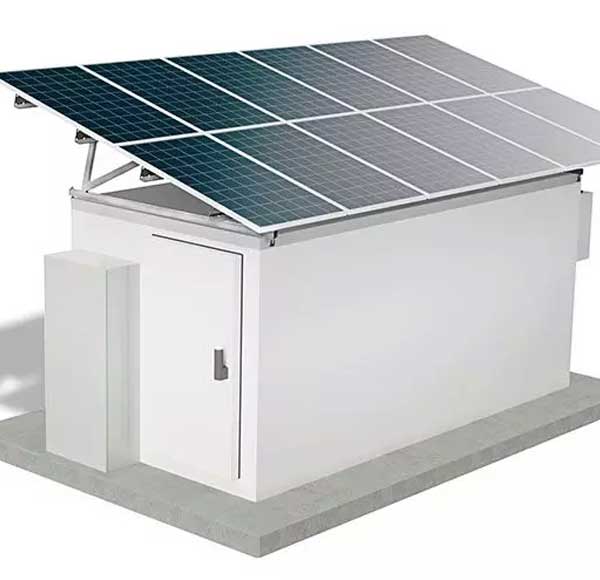

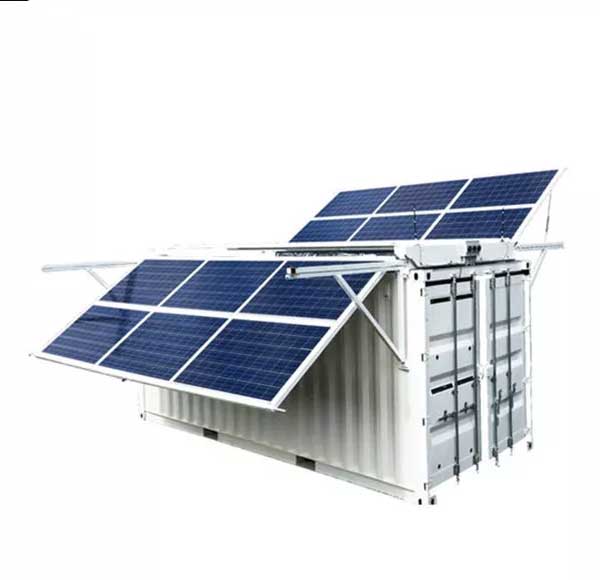
Container Mini Cold Storage
A Container Mini Cold Storage is a highly practical and efficient solution for small to medium-scale cold storage needs. It involves converting a standard shipping container into aCategories: Other Distinguished Products
It is a modular, self-contained cold room built from a refurbished or new shipping container (typically 10ft, 20ft, or 40ft in length). It is equipped with a refrigeration unit, high-performance insulation, and an interior lining to maintain precise temperature and humidity levels.
Key Components & Construction Process
The Container Structure:
Base: A standard shipping container provides a strong, durable, and portable base. It's weatherproof and secure.
Sizes: Common sizes are 10ft (approx. 14-16 pallets), 20ft (approx. 28-30 pallets), and 40ft. The 20ft container is the most popular for mini cold storage.
Insulation System (The Most Critical Part):
Walls, Ceiling, and Floor: The entire interior is lined with insulation to create a thermal barrier.
Common Insulation Materials:
Polyurethane (PUR) / Polyisocyanurate (PIR) Foam: The gold standard. Sprayed or injected as a liquid, it expands to fill all gaps, creating a seamless, high-R-value insulation layer with excellent moisture resistance.
EPS (Expanded Polystyrene) Panels: A cost-effective option, installed as rigid panels. Less efficient than PIR/PUR and can have gaps if not installed perfectly.
Insulation Thickness: Typically ranges from 80mm to 150mm (3 to 6 inches), depending on the required temperature range.
Refrigeration Unit:
Type: A self-contained, externally mounted, plug-and-play refrigeration unit.
Capacity: Sized appropriately for the container's volume, insulation quality, ambient temperature, and the specific cooling requirement (e.g., cooling from ambient vs. just maintaining temperature).
Temperature Range:
Chiller (+2°C to +8°C): For fruits, vegetables, beverages, and dairy.
Freezer (-18°C to -25°C): For frozen goods, meat, seafood, and ice cream.
Blast Freezer (down to -40°C or lower): For rapidly freezing fresh products to preserve quality.
Interior Finishes:
Walls/Ceiling: Typically finished with food-grade, easy-to-clean materials like stainless steel or FRP (Fiberglass Reinforced Plastic) panels.
Flooring: A non-slip, heavy-duty floor that can withstand pallet jacks and is resistant to moisture and chemicals. Often an epoxy coating or a reinforced aluminum plate.
Accessories & Features:
Door: A well-insulated, gasketed door with a robust locking system. Some models have a small personnel door within the large door to minimize cold loss.
Shelving/Racking: Customizable storage solutions to maximize space.
Temperature Monitoring System: Digital controllers with remote monitoring and alarm capabilities (via SMS or app) for temperature excursions.
Lighting: Energy-efficient, vapor-proof LED lighting.
Safety: An internal emergency release mechanism on the door.
Advantages of Container Mini Cold Storage
Mobility and Portability: The biggest advantage. It can be easily transported by truck, ship, or rail and placed wherever needed. Ideal for temporary sites or seasonal businesses.
Rapid Deployment: Much faster to commission than building a traditional cold room from scratch. It's often a "plug-and-play" solution.
Cost-Effective: Lower upfront cost compared to constructing a permanent brick-and-mortar cold storage facility. It also avoids major construction costs.
Scalability: You can start with one unit and add more as your business grows. This modularity is perfect for expanding operations.
Durability and Security: Built from a rugged steel shipping container, it is highly secure and can withstand harsh weather conditions.
Energy Efficiency: Modern units with high-quality PIR insulation and efficient compressors are designed to minimize energy consumption.
Agriculture & Farming: On-farm storage for fruits, vegetables, flowers, and seeds to reduce post-harvest losses.
Fisheries: Storage for fresh and frozen fish and seafood at ports or processing plants.
Food & Beverage Retail/Restaurants: Extra storage for supermarkets, hotels, and restaurants.
Pharmaceuticals & Healthcare: Storage for temperature-sensitive vaccines, medicines, and biological samples.
Logistics & Distribution: Used as a temporary or mobile distribution hub.
Floristry: For preserving cut flowers.
Catering and Events: Mobile storage for large events.
Send a Query
Our Sales team will contact to you, please use active mobile/whatsapp number*
Where we Use
Uses of Sandwich Panel
- 1. Poultry Control Shed
- 2. Agro-based Factory
- 3. Pharmaceutical Facility
- 4. Any type of Garment Factory
- 5. Office and Interior Design
- 6. Resort Cottage / House
- 7. Site Office
- 8. Container Office
- 9. Cold storage
- 10. Food Factory
- 11. Chemical Warehouse
- 12. Generator and Sub-station Room
- 13. Power Plant
- 14. Restaurant Building.
- 15. Residential Roof-Top House.

Sandwich Panel price in Bangladesh
